

Quality & Statistics Courses

-
-
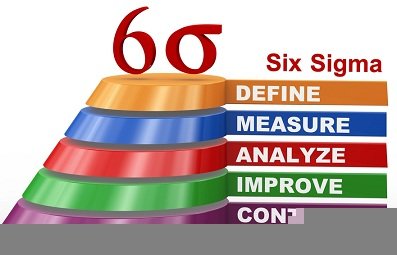
6 Sigma
-
Six Sigma is a disciplined, data-driven approach and methodology for eliminating defects (driving toward six standard deviations between the mean and the nearest specification limit) in any process from manufacturing to transaction and from product to service.
- Price : 1 L.E
-
20 0
-
-
-
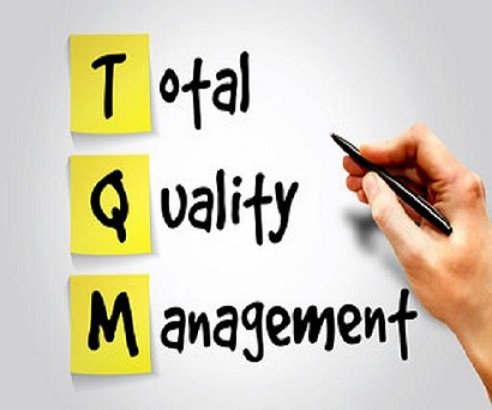
TQM Total Quality Management
-
Total Quality Management (TQM) is a management approach that originated in the 1950s and has steadily become more popular since the early 1980s. Total quality is a description of the culture, attitude and organization of a company that strives to provide customers with products and services that satisfy their needs.
- Price : 1 L.E
-
20 0
-
-
-
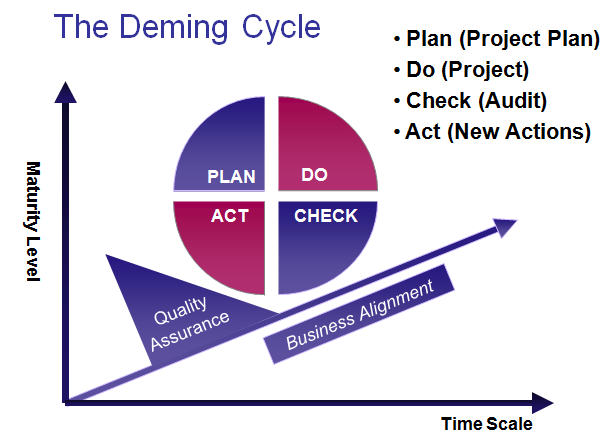
Management Systems Programs
-
Is a computer application that supports the creation and modification of digital content using a common user interface and thus usually supporting multiple users working in a collaborative environment. CMS features vary widely. Most CMSes include Web-based publishing, format management, edit history and version control, indexing, search, and retrieval. By their nature, content management systems support the separation of content and presentation.
- Price : 1 L.E
-
2 0
-
-
-
Quality management systems ISO 9001
-
The organization shall determine the following : * Quality objectives and requirements for the product. * Need to establish processes, documents and provide resources specific to product. * Required verification, validation, monitoring, inspection and test activities specific to product and criteria of product acceptance. * Records needed to provide evidence that the realization processes and resulting product meet requirements.
- Price : 1 L.E
-
20 0
-
-

-
Statistical Analysis
-
The areas of statistical applications. Data types. The collection and recording of data (the registration form). Data Representation (tables and curves repetitive histogram). Read the curves. The principles of the possibilities. Normal distribution. Central and dispersion of data. Dispersion maps. Regression analysis. Acceptance of the samples. Acceptance sampling plans. Change . Quality control . The concept of setting statistical operations. Analysis of the ability of operations. Quality control maps. Maps medium term. Mapping quality control.
- Price : 1 L.E
-
20 0
-
-

-
Internal Audit
-
Audit program shall be planned taking into consideration status and importance of processes and areas and results of previous audits. Selection of auditors shall insure objectivity and impartiality of the audit process. Auditors shall not audit their own work. Documented procedures shall be established for conducting audits and reporting results. Responsible for areas audited shall ensure that actions are taken to eliminate causes of nonconformities.
- Price : 1 L.E
-
20 0
-

Sponsers


